Verified BM for Rental Businesses: A Buying Guide for Equipment Providers
Searching for a verified BM for rental businesses often begins with a practical need: organizing promotional assets, directing rental inquiries, or preparing a clearer setup for staff.
For equipment providers, the important question is what the proposed service will actually deliver. A portfolio-related offer does not establish that inventory availability, booking requests, or dispatch systems are connected.
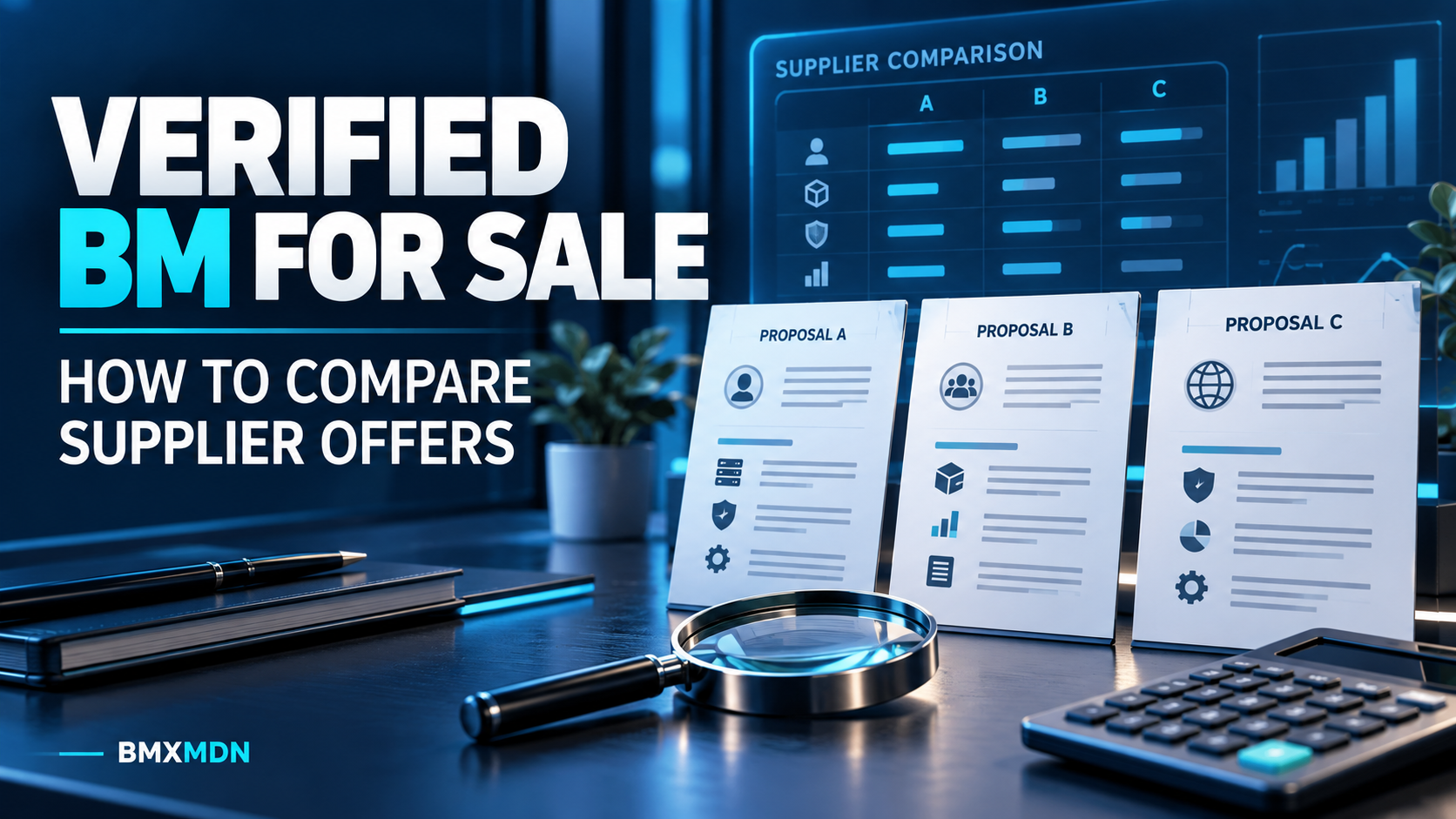
This guide helps equipment-hire companies define their requirements and compare proposals before committing to a provider.
Start with Your Rental Operation
Describe what your business rents and how customers reserve it.
A company renting event equipment has different requirements from a tool-hire business or a supplier providing audiovisual packages with installation.
Your brief should identify:
-
The business operating the rental service.
-
The equipment categories involved.
-
The locations handling collection or dispatch.
-
Whether customers request quotations or book directly.
-
The system recording availability.
-
The issue currently blocking progress.
For example:
We rent audiovisual equipment for business events. Customers submit dates and equipment requirements, and our team checks availability before confirming a quotation. We need assistance reviewing business setup, staff access, and inquiry routing.
This gives the provider a specific workflow to assess.
1. Confirm Business Identity and Control
Identify the organization represented by the proposed portfolio and the people authorized to manage it.
Your website, promotional assets, inventory records, and booking tools may be maintained by different parties. Document those relationships before requesting changes.
Ask the supplier:
-
Which business does the proposed portfolio represent?
-
What authority do you have to provide this arrangement?
-
Which assets will our company control directly?
-
Which services depend on another provider?
-
What access will remain after delivery?
-
What happens when the engagement ends?
If another organization’s portfolio is proposed, ask how the arrangement is authorized and maintained.
If your goal is verification assistance for your own rental company, state that explicitly. Management access should not be treated as proof that your company owns every associated asset.
2. Separate Portfolio Setup from Rental Software
Request an itemized scope rather than accepting “complete rental setup” as the deliverable.
| Service area |
What to clarify |
| Verification assistance |
Information review, preparation, and submission support |
| Asset configuration |
Specific assets and settings covered |
| Employee access |
Tasks sales, inventory, and dispatch staff need to perform |
| Inquiry forms |
Required details and receiving destination |
| Availability connection |
Inventory source and update responsibilities |
| Booking-system work |
Configuration or development included |
| Testing |
Scenarios and expected results |
| Handover |
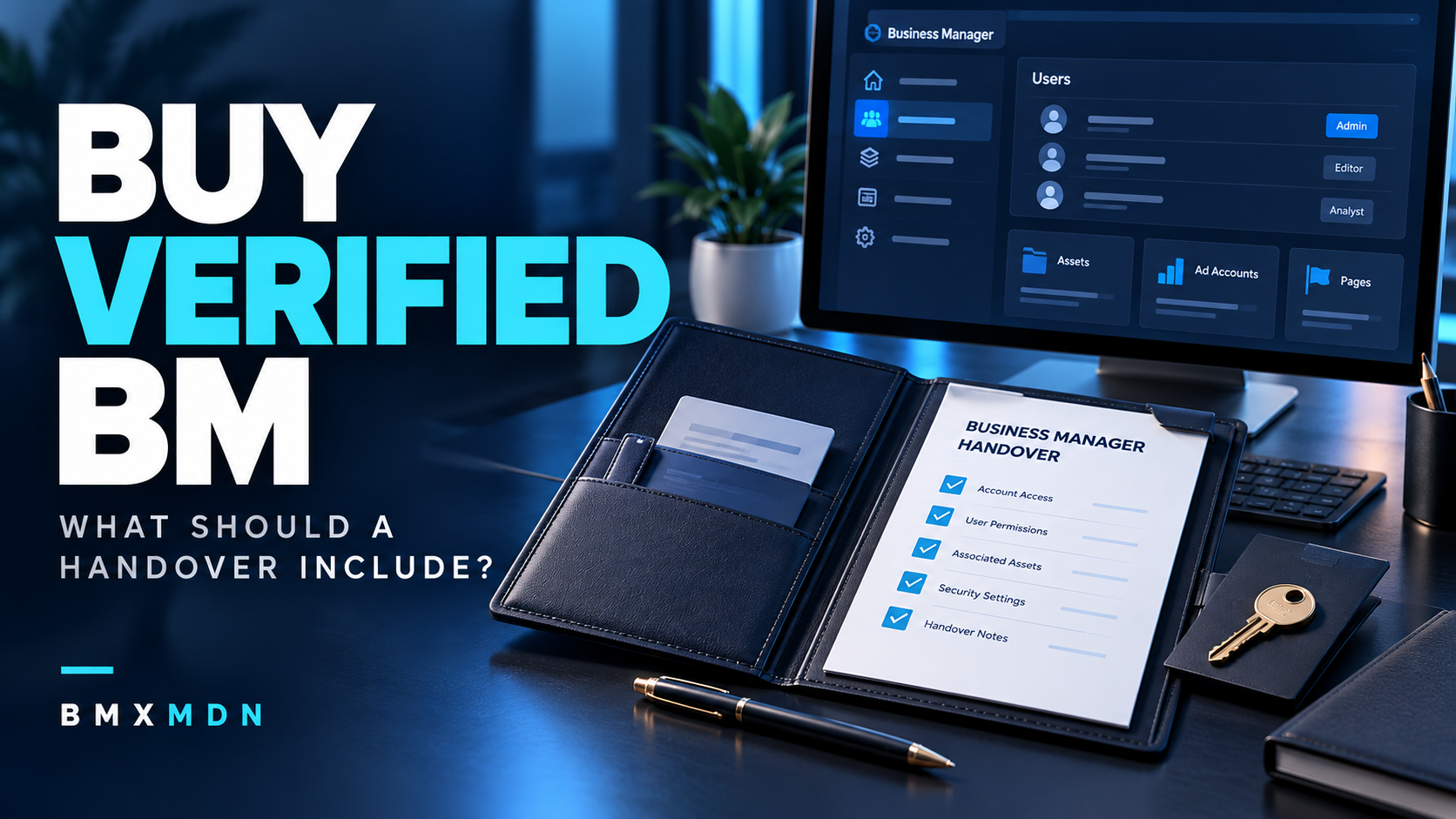
Documentation, training, and outstanding tasks |
A supplier offering business setup assistance may not develop connections to your rental software.
Ask which work requires your internal team or software vendor. Record these dependencies before agreeing on price and timing.
3. Define the Information Needed for a Rental Request
If inquiry handling is included, explain what staff need to assess a request.
Depending on your service, this may include:
-
Equipment type and quantity.
-
Requested start and end dates.
-
Collection or delivery preference.
-
Location of use.
-
Required accessories.
-
Installation or operator assistance.
-
A contact for follow-up.
Keep requested dates separate from confirmed availability.
For equipment bundles, specify whether customers select a package or individual items. Ask how the request will preserve those choices when it reaches your team.
A generic message such as “I need a projector” may be insufficient for a useful quotation. The form or inquiry process should collect the details your team actually needs without adding unnecessary fields.
4. Identify the Source of Availability
If the proposal includes availability-related work, name the system or team that maintains the authoritative record.
Explain how your business handles:
-
Equipment already reserved.
-
Items awaiting inspection after return.
-
Maintenance periods.
-
Accessories shared between packages.
-
Equipment held at another location.
-
Extended rentals.
Hypothetical example: A projector is returned in the morning but needs inspection before another booking. A connection that marks it available immediately could conflict with the company’s operating process.
Ask the provider to document the intended behavior. If availability remains a manual check, make that clear in customer-facing messages.
Do not assume a verified BM package includes live inventory synchronization.
5. Distinguish Requests, Reservations, and Dispatch
Define when a customer’s request becomes a confirmed rental.
A useful internal breakdown might be:
| Stage |
Meaning to agree |
| Request received |
The inquiry reaches the designated team |
| Availability reviewed |
Staff or the rental system checks the requested items |
| Quotation issued |
The customer receives the proposed arrangement |
| Reservation confirmed |
The responsible party confirms the booking |
| Equipment released |
Dispatch or collection is authorized |
| Return completed |
The return is recorded according to your process |
These are business definitions, not platform features guaranteed by the supplier.
If notifications are included, review their wording against the actual stage. An acknowledgment should not imply that equipment has been reserved while availability is still under review.
6. Test Exceptions with Sample Bookings
Agree on acceptance checks before implementation.
If inquiry or booking connections are included, consider testing:
-
A complete request reaching the correct team.
-
An unavailable item being handled as agreed.
-
A package with missing accessory information.
-
A change to the requested rental period.
-
A duplicate submission.
-
An inquiry for another collection location.
-
A temporary connection failure.
Use sample records and clearly marked test bookings where practical.
Do not create real charges, reserve production inventory, or trigger dispatch solely for testing unless those actions have been explicitly agreed.
Record expected results, observed results, and the owner of each unresolved task. Involve the staff who manage bookings and equipment so that the checks reflect daily operations.
7. Plan Access, Support, and Handover
Describe each team’s responsibilities before requesting access configuration.
Sales staff may handle inquiries, inventory staff may check availability, and dispatch staff may manage collection or delivery. Ask the provider to assess suitable access arrangements for the agreed tasks.
Also clarify how access will be reviewed when employees or contractors leave.
Request separate pricing for:
-
Initial assessment.
-
Verification assistance.
-
Configuration or development.
-
Testing and staff training.
-
Recurring third-party services.
-
Later changes.
-
Troubleshooting and handover.
Ask how support works during busy rental periods and which issues must go to your software vendor.
Before accepting delivery, request an asset inventory, configuration summary, test results, known limitations, support contacts, and outstanding tasks. Your team should understand what it can maintain and what remains dependent on outside assistance.
Inquiry Template for Rental Businesses
Hello, we operate [business name] at [website URL] and rent [equipment types]. Requests are received through [channels], and availability is maintained in [system or process]. We need assistance with [specific business setup tasks]. The main blocker is [issue]. Please provide an itemized proposal covering business identity, authorized access, inquiry routing, inventory dependencies, testing, documentation, costs, and ongoing support.
Frequently Asked Questions
Does a verified BM package include rental software?
Only if that service is explicitly included. Confirm the system, configuration, development work, and recurring costs.
Can the proposal cover several equipment categories?
Describe the categories and any differences in their booking process. Ask the supplier to identify shared work and category-specific requirements.
Does verification guarantee more rental bookings?
No. Verification status alone does not demonstrate demand, effective promotion, or booking profitability.
What if availability is checked manually?
State that clearly. The proposed workflow should support the manual review and avoid presenting an unconfirmed request as a reservation.
Should we replace our existing rental system?
Request an assessment of the specific gap first. The proposal should explain what can be retained and why any additional work is necessary.
Request a Proposal for Your Rental Business
Prepare your company details, equipment categories, existing assets, booking process, and the specific issue you want to resolve.
If you need assistance reviewing your situation, visit BMXMDN to discuss your business verification and equipment-rental setup requirements.
Request a proposal through BMXMDN with a clear scope covering business control, availability responsibilities, booking checks, practical testing, and technical handover.