Verified BM for Multi-Brand Businesses: A Practical Buying Guide
Searching for a verified BM for multi-brand businesses often starts when a company needs to organize several brands, websites, teams, or agency relationships.
Before choosing a provider, describe how those brands relate to the businesses that operate them. Several brand names under one company create a different setup discussion from several independently owned companies working with a shared marketing team.
A portfolio-related offer alone does not explain ownership, access boundaries, migration work, or maintenance responsibilities. This guide helps you prepare a clear brief and evaluate proposals against the needs of each brand.
Start with a Brand and Business Inventory
List the brands involved and identify the operating business behind each one.
For every brand, record its website, relevant business assets, current administrators, and external providers. Note any information you have not yet confirmed.
For example:
Our company operates three consumer brands with separate websites and marketing teams. We need assistance reviewing existing assets, documenting ownership, and defining access for our internal team and agencies.
If the brands belong to different companies, explain that relationship explicitly. Do not assume a shared marketing department establishes shared ownership.
Your inventory gives a provider a starting point for assessing the work without relying on brand names alone.
1. Separate Brand Names from Business Identity
Ask the provider to distinguish the customer-facing brand from the business represented in the proposed setup.
Your brief should explain which company operates each brand and who can authorize changes to its assets.
If a brand name differs from the business name, identify that difference and ask what information is needed for the relevant process. Do not assume every brand requires an identical setup or that one completed verification establishes the status of every related business.
Request an assessment based on your actual operating structure and the current official requirements for the intended services.
The proposal should identify unresolved questions before configuration or submission work begins.
2. Compare Structural Options Before Making Changes
Ask the provider to explain its proposed organization of assets and access.
Rather than accepting a general promise of a “complete multi-brand setup,” request a written description of what will be retained, added, or changed.
| Area |
Questions to resolve |
| Business identity |
Which operating business does each part of the setup represent? |
| Existing assets |
Who owns them, and who currently manages them? |
| Internal teams |
Which staff need access to which brands? |
| External agencies |
What tasks are they authorized to perform? |
| Applications and integrations |
Which brands depend on shared services? |
| Reporting |
Which information should be viewed separately or together? |
| Handover |
Who maintains the configuration after delivery? |
Ask why the proposed arrangement fits your organization. Any alternative should be compared using ownership, access, operating effort, and future handover needs.
3. Review Existing Assets Before Creating Replacements
Begin with what your business already uses.
Identify active assets, current integrations, and dependencies on employees or agencies. Ask the provider to flag uncertain ownership and missing access rather than treating them as routine configuration details.
For each proposed replacement or migration, request an explanation of:
-
Why the change is needed.
-
Which existing functions could be affected.
-
What information or configuration can be retained.
-
Which dependencies need separate assessment.
-
Who must authorize the work.
-
How the result will be checked.
Do not assume every asset, connection, or historical record can be moved. The provider should confirm what is possible for the specific components involved.
A setup project should make existing operations easier to understand before introducing additional complexity.
4. Define Access by Brand and Responsibility
Document what each team needs to do for each brand.
A central marketing director may need oversight across the group, while a brand-specific contractor may only need access to the assets involved in an assigned project.
Use task descriptions to guide access decisions. Avoid giving every participant the same level of control simply because they work with the same business group.
For example:
The central team reviews reporting across all brands. Each brand manager manages its own operational work, while external agencies receive access limited to their agreed responsibilities.
Ask the provider to explain how the intended arrangement can be implemented and tested.
Also define who reviews access when staff change roles, agencies finish contracts, or a new brand joins the group.
5. Scope Shared Integrations Carefully
Multiple brands may use the same CRM, reporting tool, catalog process, or customer support platform.
Explain which systems are shared and which information must remain separated.
For each connection, identify the source brand, destination workspace, responsible team, and expected behavior. A successful connection is insufficient if information reaches the wrong brand or team.
Ask the provider to assess scenarios such as:
-
A new record being assigned to the correct brand.
-
A user selecting the intended brand before taking an action.
-
A disconnected brand stopping its own scheduled work.
-
A shared service failing without hiding the affected connections.
-
A report clearly identifying its underlying assets.
Keep integration development separate from business verification assistance in the quotation.
6. Test One Brand Before Expanding the Changes
Where practical, ask whether the work can begin with a representative brand before broader implementation.
Define the purpose of that first phase. It might confirm the access arrangement, validate an integration, or reveal missing information.
Agree on acceptance criteria such as:
-
The asset inventory matches the agreed scope.
-
Authorized staff can perform their assigned tasks.
-
Brand-specific users cannot access unrelated workspaces.
-
Existing connections continue to behave as expected.
-
Errors and unresolved dependencies are documented.
-
The internal owner can understand the handover notes.
If changes could interrupt active work, discuss timing and recovery steps before implementation.
Use the first phase to resolve concrete uncertainties, then apply the agreed approach to the remaining brands.
7. Compare Pricing and Future Change Costs
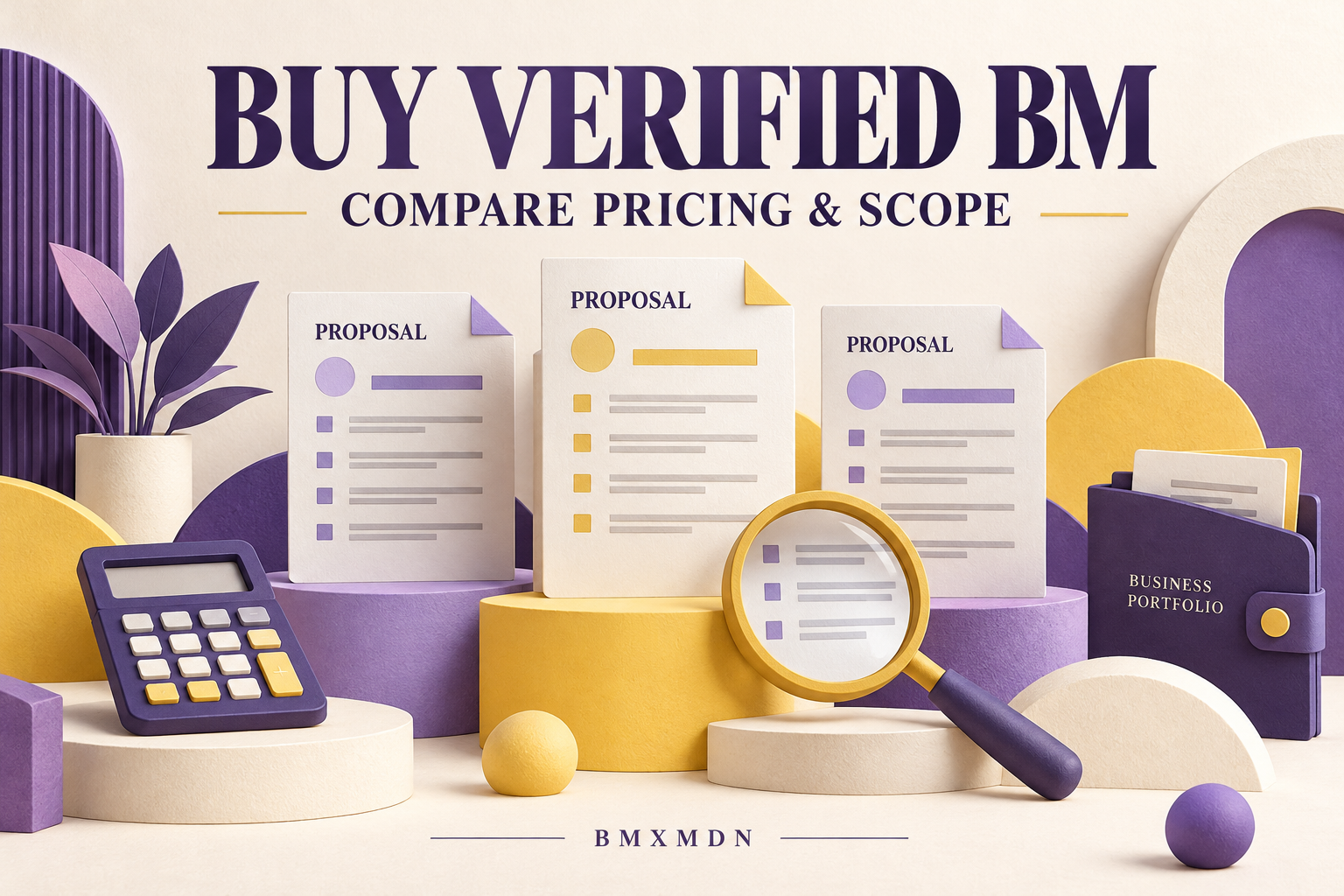
Request pricing that identifies shared work and brand-specific work.
An initial business assessment may cover the group, while configuration, integration testing, or documentation may require separate effort for each brand.
Clarify how the provider charges for:
-
Adding another brand.
-
Introducing another operating business.
-
Changing an agency relationship.
-
Rebuilding an integration.
-
Reviewing access after a team change.
-
Supporting a brand separation or service exit.
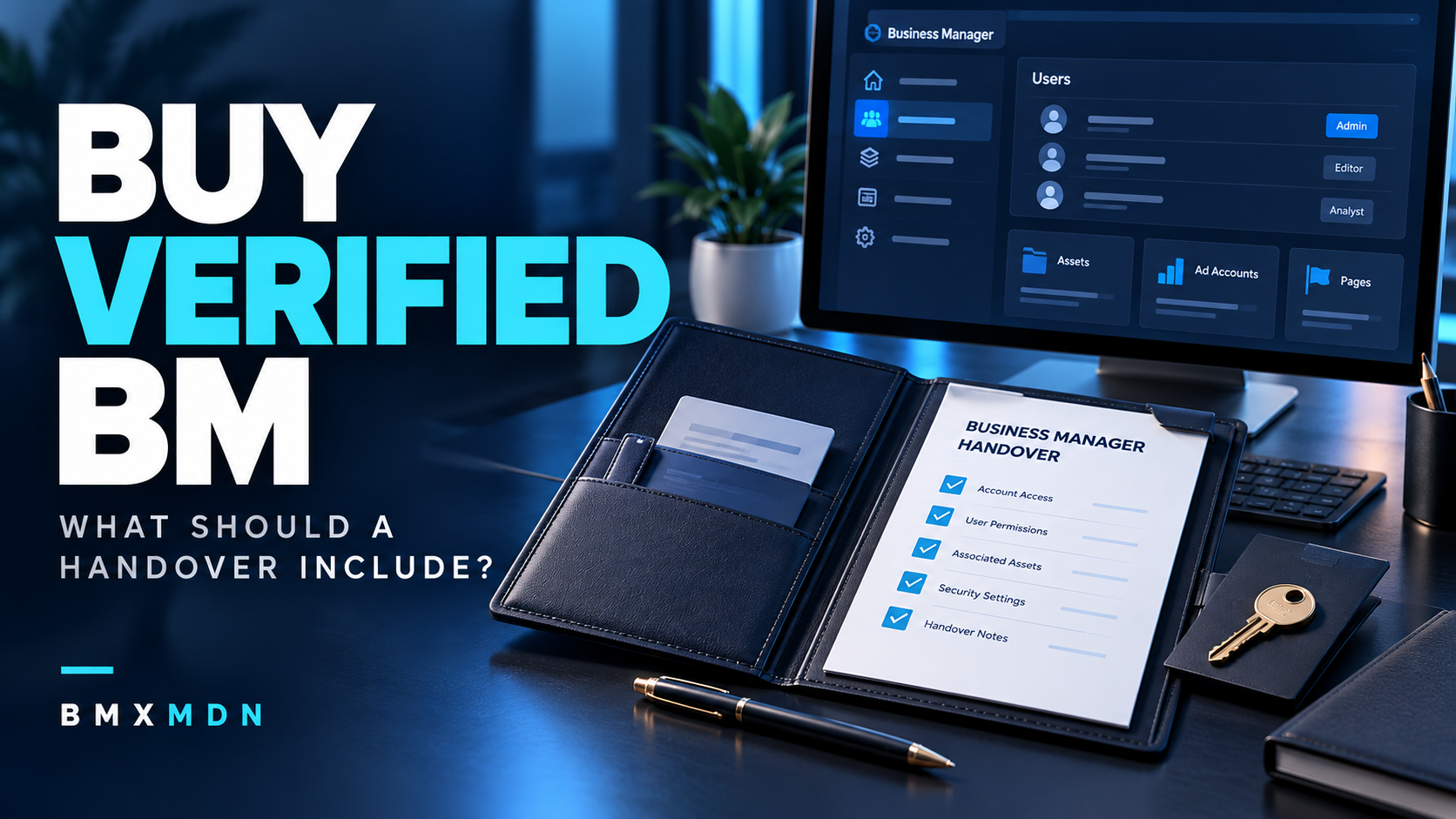
Request a handover package containing ownership records, configuration changes, access arrangements, test results, known limitations, and outstanding tasks.
Assign an internal owner to keep that documentation current.
Inquiry Template for Multi-Brand Businesses
Hello, we operate [number] brands under [business or businesses] at [website URLs]. Our current setup includes [brief asset and provider summary]. We need assistance with [business verification preparation, asset organization, access configuration, or integrations]. Please provide a proposal identifying shared and brand-specific work, ownership assumptions, required authorization, implementation phases, testing, handover, pricing, and ongoing support.
Frequently Asked Questions
Does every brand need the same business setup?
Not necessarily. Ask the provider to assess the operating businesses, ownership relationships, existing assets, and intended features before proposing a structure.
Does one verified business mean every related brand is verified?
Do not assume that. Ask what the verification status applies to and which separate requirements remain relevant to each business, asset, or feature.
Can we use our existing assets?
Request an assessment first. The provider should explain which assets can remain in place and why any changes are needed.
Should every agency have access to every brand?
Define access according to authorized responsibilities. Ask the provider to demonstrate the intended boundaries during testing.
What happens if a brand leaves the group?
Ask for an assessment of the affected assets, integrations, records, and access arrangements. Document the work and dependencies rather than assuming every component can be transferred.
Request a Proposal for Your Multi-Brand Setup
Prepare a list of your brands, operating businesses, websites, existing assets, agencies, and shared systems. Identify the specific problem you want the project to resolve.
If you need assistance reviewing your situation, visit BMXMDN to discuss your business verification and multi-brand setup requirements.
Request a proposal through BMXMDN with a clear scope covering business identity, ownership, brand access, integrations, implementation phases, testing, costs, and ongoing support.