Meta Business Verification Service: How to Compare Providers and Scope
Searching for a Meta business verification service usually means your business needs help understanding a requirement, preparing information, or resolving an incomplete process.
Before hiring a provider, identify the specific assistance you need. A service described as “complete verification” does not explain which tasks are included, what your company must supply, or how the work will be handed over.
A useful proposal should make those responsibilities clear. This guide explains how to compare providers using their assessment process, deliverables, access requirements, pricing, and support terms.
Start with the Problem You Need to Resolve
Prepare a short description of your current situation.
Include your business name, website, intended use, current portfolio status, and the message or requirement you are trying to address.
For example:
We operate a software business and need help assessing the verification requirement shown in our existing setup. We want assistance reviewing our information, identifying missing items, and understanding the next steps.
Explain what has already been attempted. If an earlier submission received feedback, preserve the wording so the provider can assess it.
Avoid sending unnecessary sensitive documents during an initial sales conversation. Begin with enough information to establish the scope.
1. Ask for an Assessment Before a Package Recommendation
A provider should explain what it believes is causing the problem and what evidence supports that assessment.
Request a brief written summary covering:
-
The process or requirement being addressed.
-
Your current stage.
-
Information that remains unconfirmed.
-
Tasks the provider proposes to perform.
-
Tasks your business must complete.
-
Dependencies on external decisions.
If the provider has not inspected the relevant status or information, ask whether its quotation is preliminary.
An assessment helps prevent you from buying document preparation when the actual blocker concerns access, application configuration, or another part of the setup.
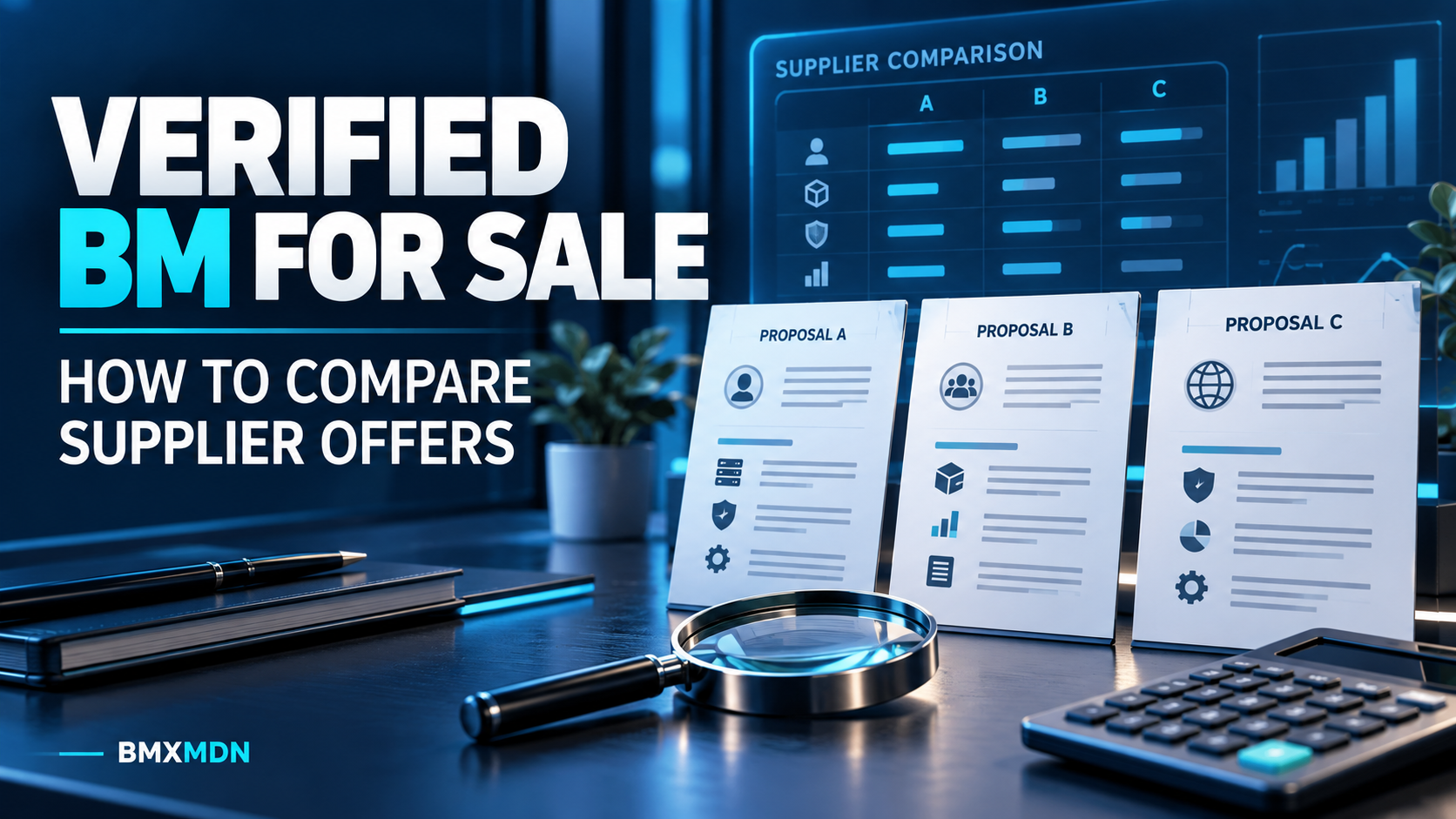
2. Compare Deliverables, Not Package Names
Terms such as “premium,” “full service,” and “end-to-end” are difficult to compare without a task list.
Ask each provider to explain its services using the same categories.
| Service area |
What the proposal should specify |
| Initial assessment |
Information reviewed and findings delivered |
| Document review |
Materials assessed and discrepancies reported |
| Preparation guidance |
Missing items and instructions for your team |
| Submission assistance |
Who performs the steps and who authorizes submission |
| Follow-up |
Monitoring period and handling of additional requests |
| Handover |
Status summary, completed work, and outstanding tasks |
| Access review |
Permissions retained or removed after completion |
| Additional work |
Exclusions and conditions for a separate quotation |
Ask the provider to identify the current official guidance relevant to your situation. A generic checklist should not replace a case-specific assessment.
3. Confirm Which Business the Service Represents
If your goal is verification assistance for your own company, state that explicitly.
Identify the business portfolio involved and confirm who is authorized to represent the company.
Ask the provider whether its proposal uses your existing setup or introduces components operated by another organization. If another organization is involved, request a clear explanation of ownership, authorization, and ongoing dependencies.
Your team should understand:
-
Whose business information will be used.
-
Who controls the relevant portfolio.
-
Who can change administrative access.
-
What your company retains after delivery.
-
What happens when the service relationship ends.
Access to an asset and ownership of that asset should be documented separately.
4. Understand the Document Review Process
Ask how the provider will review the information you supply.
A useful review should identify inconsistencies, missing information, and questions requiring clarification. It should also explain which official requirement each requested item is intended to address.
For example, a difference between a trading name and a registered business name should be investigated and explained rather than silently treated as an error.
Your business should remain responsible for confirming that its information is accurate. Do not accept a proposal to substitute another company’s identity or alter documents to describe facts that are not true.
Before sharing detailed materials, agree on the recipient, transfer method, purpose, and handling after the engagement ends.
5. Choose an Appropriate Access Arrangement
Ask what access the provider needs for each task.
Some work may be completed through document review or a guided session in which your team performs the actions. Other tasks may require an agreed access arrangement.
The proposal should explain why access is needed and how long it will remain in place.
Confirm:
-
Who approves configuration changes.
-
Who checks information before submission.
-
How completed actions are recorded.
-
How sensitive credentials are handled.
-
When continuing access will be reviewed.
Avoid placing passwords, recovery codes, or other secrets in general project notes. Keep the handover focused on configuration and responsibilities.
6. Separate Service Milestones from Platform Outcomes
Ask for a schedule based on work the provider can demonstrate.
Suitable milestones might include completing the assessment, reporting missing information, reviewing supplied documents, assisting with agreed steps, and delivering a status summary.
External review decisions should be identified separately.
If a provider advertises a guaranteed outcome, ask it to explain the exact commitment, conditions, and remedy in writing. A commercial refund promise is different from control over a platform’s decision.
Your project plan should also identify what happens when your company needs more time to supply information or an external response remains pending.
7. Check Pricing, Follow-Up, and Refund Terms
Request an itemized quotation and distinguish the provider’s service fees from any separately identified third-party charges.
Ask which follow-up tasks are included. “Support until completion” should have a clear meaning, including the process covered, responsibilities, and conditions for closing the engagement.
Clarify what happens if:
-
Additional information is requested.
-
Your business changes the scope.
-
An access issue prevents progress.
-
You pause or cancel the work.
-
A new application or integration task is discovered.
-
The agreed support period ends.
If refunds are offered, record which amounts are refundable, under what conditions, and within what timeframe.
Compare equivalent scopes before comparing headline prices.
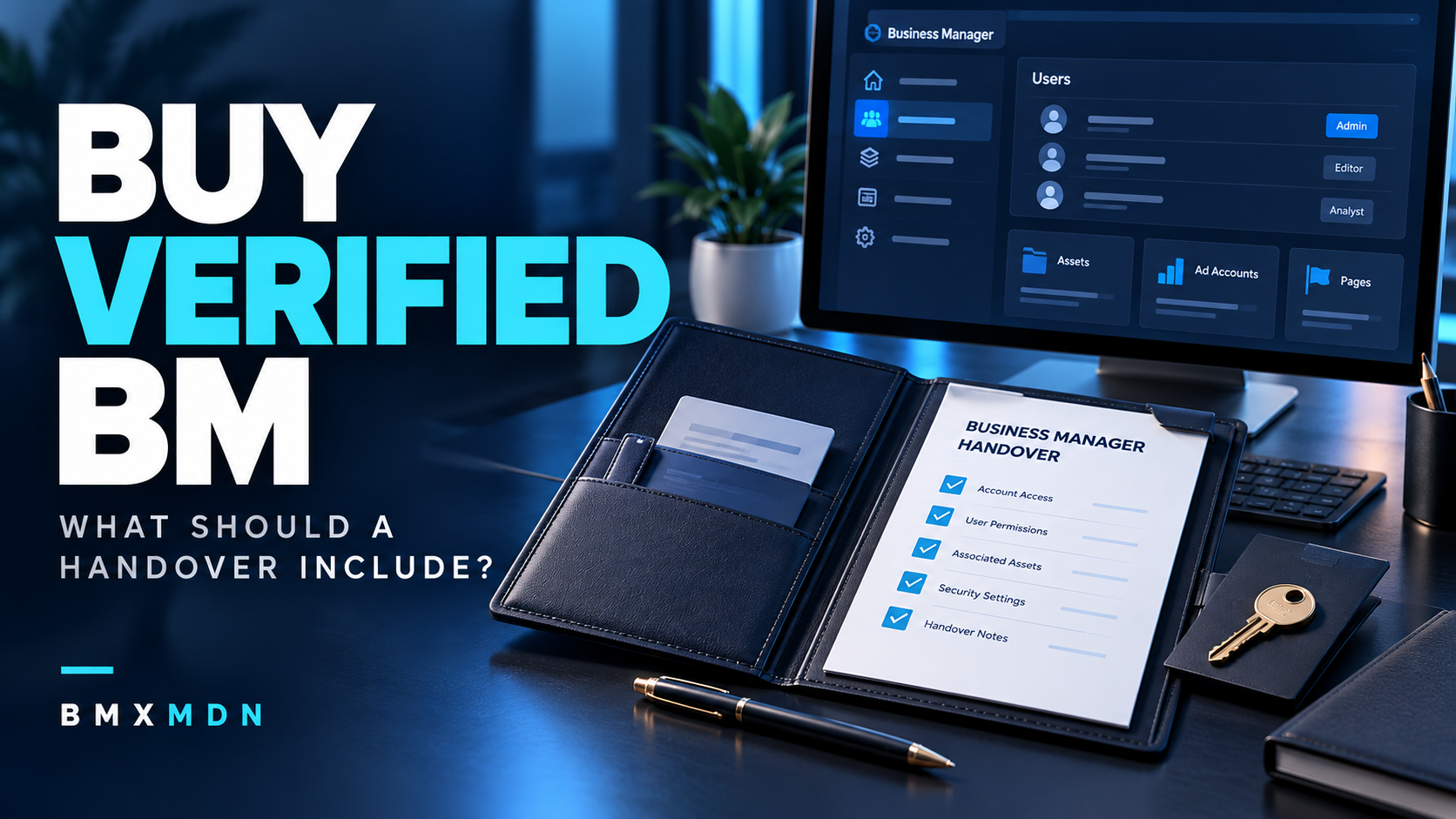
8. Request a Handover Your Team Can Maintain
At the end of the engagement, your team should understand what was done and what remains unresolved.
Request:
-
A summary of the initial problem.
-
Tasks completed and configuration changes made.
-
The current status.
-
Relevant feedback and outstanding questions.
-
Next steps and assigned owners.
-
Access arrangements after handover.
-
Support contact and coverage period.
A useful handover reduces dependence on the original provider and helps future staff understand the setup.
Inquiry Template for Business Verification Assistance
Hello, we operate [business name] at [website URL]. We need assistance with [specific verification requirement or issue] in our existing business setup. Our current status is [status], and we have already completed [steps]. Please provide an assessment and an itemized proposal covering document review, preparation guidance, required access, submission assistance, follow-up, handover, pricing, exclusions, and refund terms where applicable. The work should represent our own business.
Frequently Asked Questions
What does a Meta business verification service include?
The scope depends on the provider’s proposal. It may include assessment, information review, preparation guidance, assistance with agreed steps, and follow-up. Request a written list rather than relying on the service name.
Is application development included?
Only if it is explicitly listed. Application configuration, integration development, and business verification assistance should have separate responsibilities and acceptance criteria.
Should I choose a provider that promises the fastest result?
Compare what the promised timeline covers. A deadline for reviewing your materials differs from an estimate for an external platform response.
Can my team perform the steps while a consultant guides us?
Ask whether guided assistance is available for your situation. This can help your team retain direct involvement while receiving support on specific questions.
What should I receive if the process is still pending when support ends?
Agree on this before starting. At minimum, request a clear record of completed work, current status, outstanding dependencies, and the next actions assigned to your business.
Request a Proposal for Your Business
Prepare your website URL, business details, current status, relevant messages, and a summary of previous attempts.
If you need assistance reviewing your situation, visit BMXMDN to discuss your business verification support requirements.
Request a proposal through BMXMDN covering assessment, document review, access, implementation responsibilities, follow-up, pricing, and handover for your specific situation.